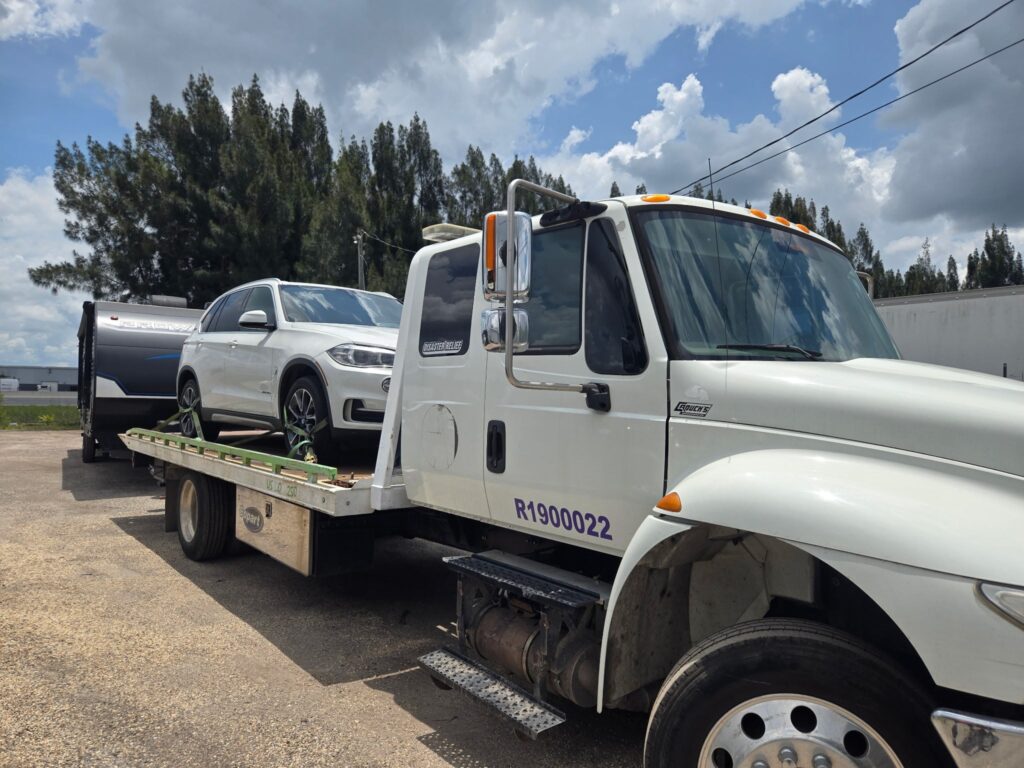
Understanding the Repossession Process in Florida

Auto Repossession

Repossession is a complex process governed by strict laws and regulations. For banks and financial institutions in Florida, understanding these procedures is crucial for protecting your assets and ensuring compliance. This guide provides a clear overview of the repossession process, helping you navigate each step with confidence.

1. The Initial Delinquency:

The repossession process typically begins when a borrower falls behind on their loan payments. The lender will usually attempt to contact the borrower to discuss the delinquency and explore options for repayment.

2. The Decision to Repossess:

If communication with the borrower breaks down or repayment arrangements cannot be made, the lender may decide to repossess the vehicle. This decision is based on the terms of the loan agreement and the lender’s internal policies.

3. Hiring a Repossession Agency:

Lenders often contract with a professional repossession agency like ERS Towing & Transport to handle the recovery of the vehicle. Choosing a reputable and compliant agency is essential to ensure the process is conducted legally and ethically.

4. Skip Tracing (if necessary):

If the borrower’s whereabouts are unknown, the repossession agency may conduct skip tracing to locate the vehicle. This involves using various resources and techniques to find the borrower and the vehicle.

5. Vehicle Recovery:

Once the vehicle’s location is determined, the repossession agency will recover it. This is typically done discreetly and professionally, adhering to all applicable laws and regulations.

6. Notification and Redemption:

After the vehicle is repossessed, the lender is required to notify the borrower. The borrower typically has a right to redeem the vehicle by paying the outstanding loan balance, plus any repossession expenses.

7. Vehicle Sale:

If the borrower does not redeem the vehicle, the lender will typically sell it at auction or through a private sale. The proceeds from the sale are applied to the loan balance, and the borrower may be liable for any remaining deficiency.

8. Deficiency or Surplus:

If the sale proceeds are less than the loan balance, the borrower is responsible for paying the deficiency. Conversely, if the sale proceeds exceed the loan balance, the borrower may be entitled to a surplus.

9. Compliance is Key:

Throughout the entire repossession process, strict adherence to state and federal laws, including the Fair Debt Collection Practices Act (FDCPA), is paramount. Working with a compliant repossession agency can help lenders avoid legal issues and protect their reputation.

Partner with ERS Towing & Transport:

ERS Towing & Transport is a trusted provider of auto repossession services in Florida. With over 25 years of experience, we handle every aspect of the repossession process with professionalism, efficiency, and full compliance. Contact us today to learn more about how we can assist you.


Tags :

Auto Repossession

Share :

RELATED BLOGS.